Park Street
Centralizing compliance-driven workflows in a regulated B2B SaaS platform.
View Case Study →I partnered with an early-stage founder to conduct usability research on a video challenge platform and redesign the challenge creation and participation flows to better align with users' mental models.
GotGame is a video-based competition platform where users create and join challenges to compete for rewards. Before scaling, we needed to validate how users understood and navigated the core challenge mechanics.
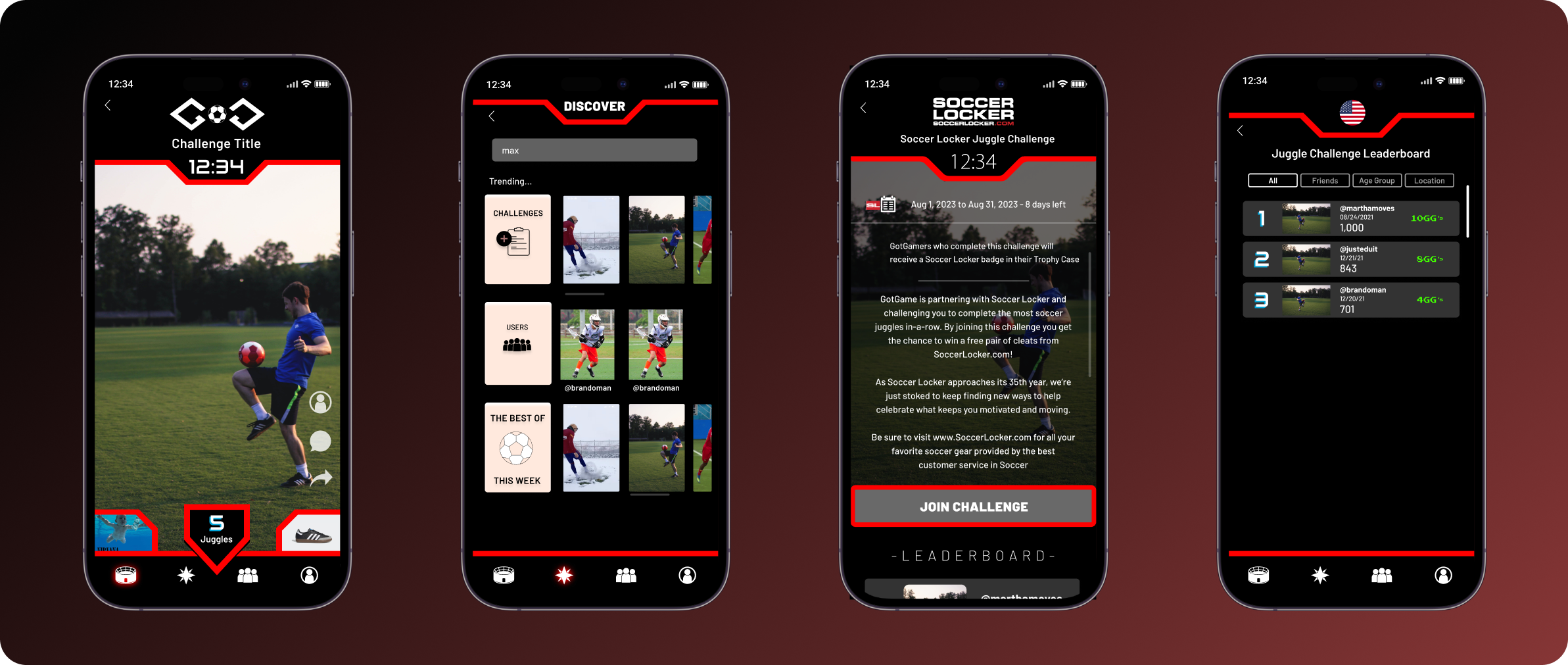
GotGame's video-based competition platform concept
To validate the platform's core mechanics before scaling, I ran moderated usability tests, surveys, and interviews across university and high school campuses with over 20 participants, focusing on the end-to-end experience of discovering, creating, and joining challenges.
In testing, users consistently bypassed the compete action and tapped the global "+" button instead, creating new challenges rather than joining existing ones. This caused fragmentation: participation scattered across dozens of identical, parallel challenges, breaking the leaderboard logic the experience depended on.
The underlying issue wasn't motivation; users were genuinely excited to compete and earn rewards. It was a mental model mismatch: the interface didn't reflect how they naturally thought about joining a competition.
Research showed that confusion between creating and joining challenges reflected a deeper mismatch between our assumptions and how users naturally approached competition.
To address this, I restructured the creation flow and clarified participation pathways. Instead of immediately creating a new challenge, users were guided to select a sport and review existing challenges first—reducing duplication and reinforcing clearer competition logic.
We also narrowed challenge creation to selected influencers during the MVP phase. This strategic shift reduced fragmentation and aligned the platform's structure with how users naturally wanted to compete.
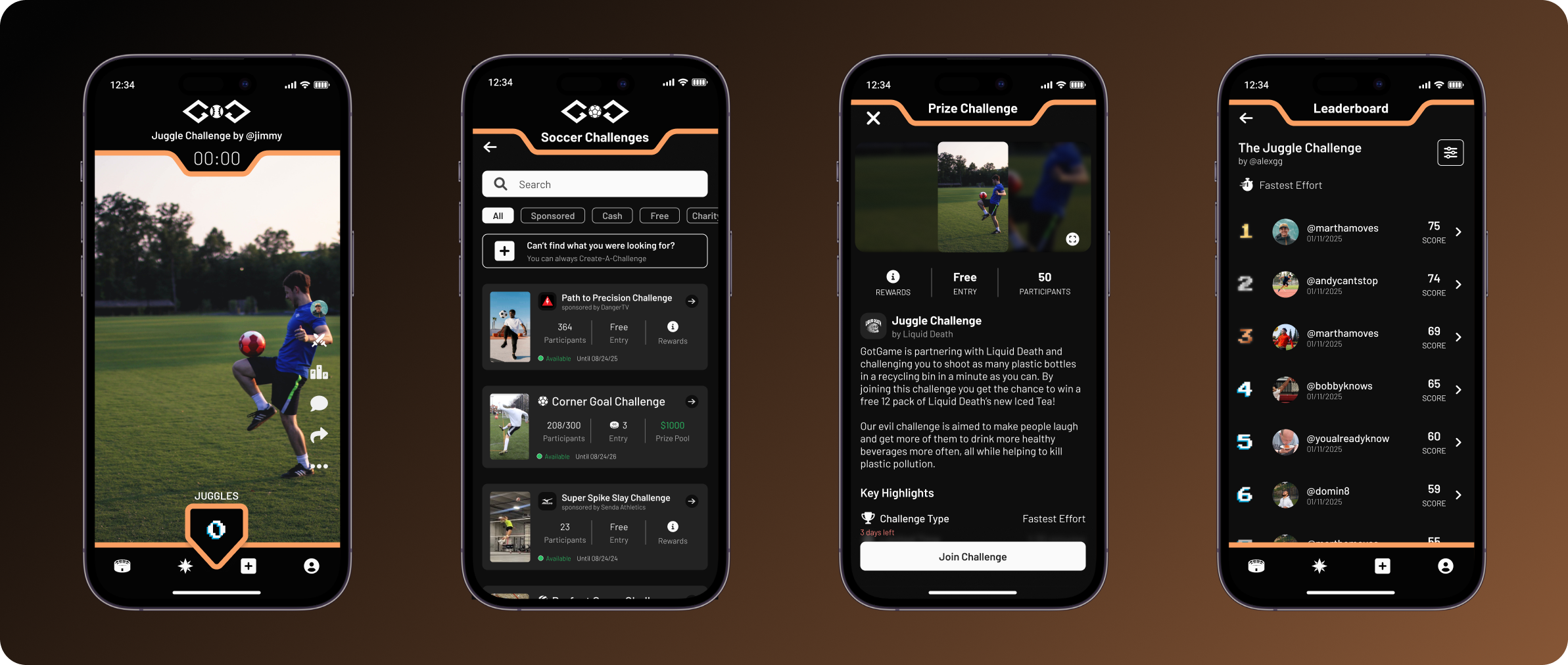
New participation flow guiding users to review existing challenges before creating
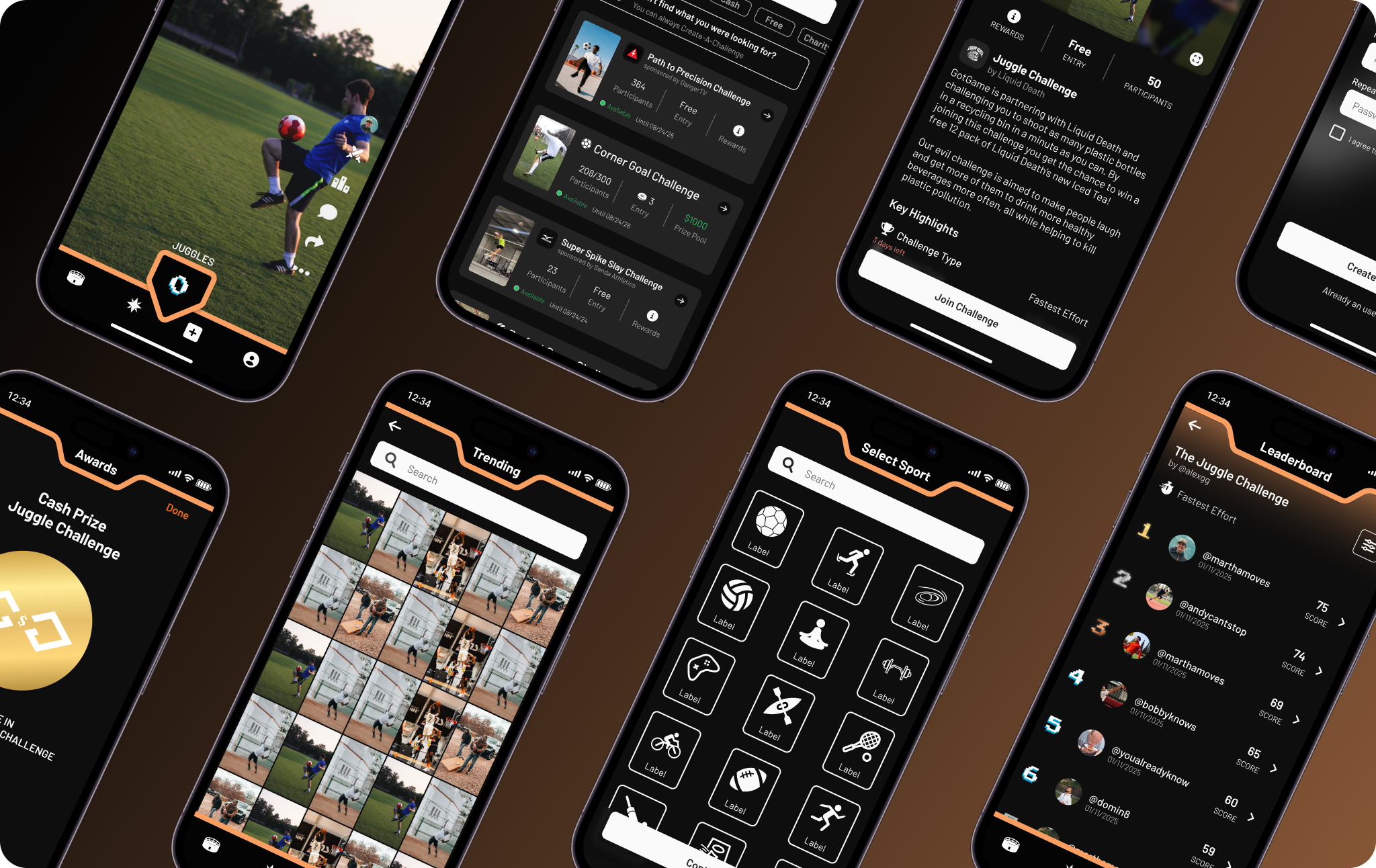
The redesigned flow reduced challenge duplication and created clearer pathways for participation. By aligning the interface with users' mental models, we made competition more intuitive while preserving the excitement that drew users to the platform.
This project reinforced the importance of testing assumptions early. What seemed like a simple interface decision—where to place a create button—revealed fundamental misalignment in how we structured the core experience.
Field research proved invaluable. Observing users in their natural environment surfaced behaviors and confusion points that wouldn't have emerged in controlled lab settings. It reminded me that the best insights often come from watching people use products in context, not from asking them what they want.
Centralizing compliance-driven workflows in a regulated B2B SaaS platform.
View Case Study →Diagnosing conversion barriers in a two-sided remodeling marketplace.
View Case Study →